Matt Severson ’11 has centered his career around doing work that matters—for people and for the planet.
Now, in a unique leadership position that’s redefining how sustainability solutions are financed, Severson is sharing lessons learned with the next generation of students.
It’s a full-circle story that feels distinctly Brown.
Bringing a purpose-driven career into focus at Brown
Severson was always a mission-oriented person, but his time on College Hill helped him define his path—through the inspiring peers around him, and the opportunities to explore.
“I came across a lot of fellow classmates who cared about the world and wanted to make it a better place,” he says. “Students at Brown tend to have a broader view of how what they are doing could help improve the world.”
Severson fit right in with those students, and was heavily involved in service-oriented activities. He served as treasurer and fundraising chair for Brown Engineers Without Borders, tutored a young family from Burundi as part of the Brown Refugee Youth Tutoring and Enrichment (BRYTE) program, and helped organize the annual Better World by Design conference—which he would later come back to as a speaker.
Before he even graduated, Severson was a nonprofit founder. After meeting a boy in Tanzania who couldn’t afford his school fees, Severson not only paid for his four years of high school, but also launched The School Fund, an organization that connects donors to students in Africa who need help affording their education, which often costs as little as $250 per year.
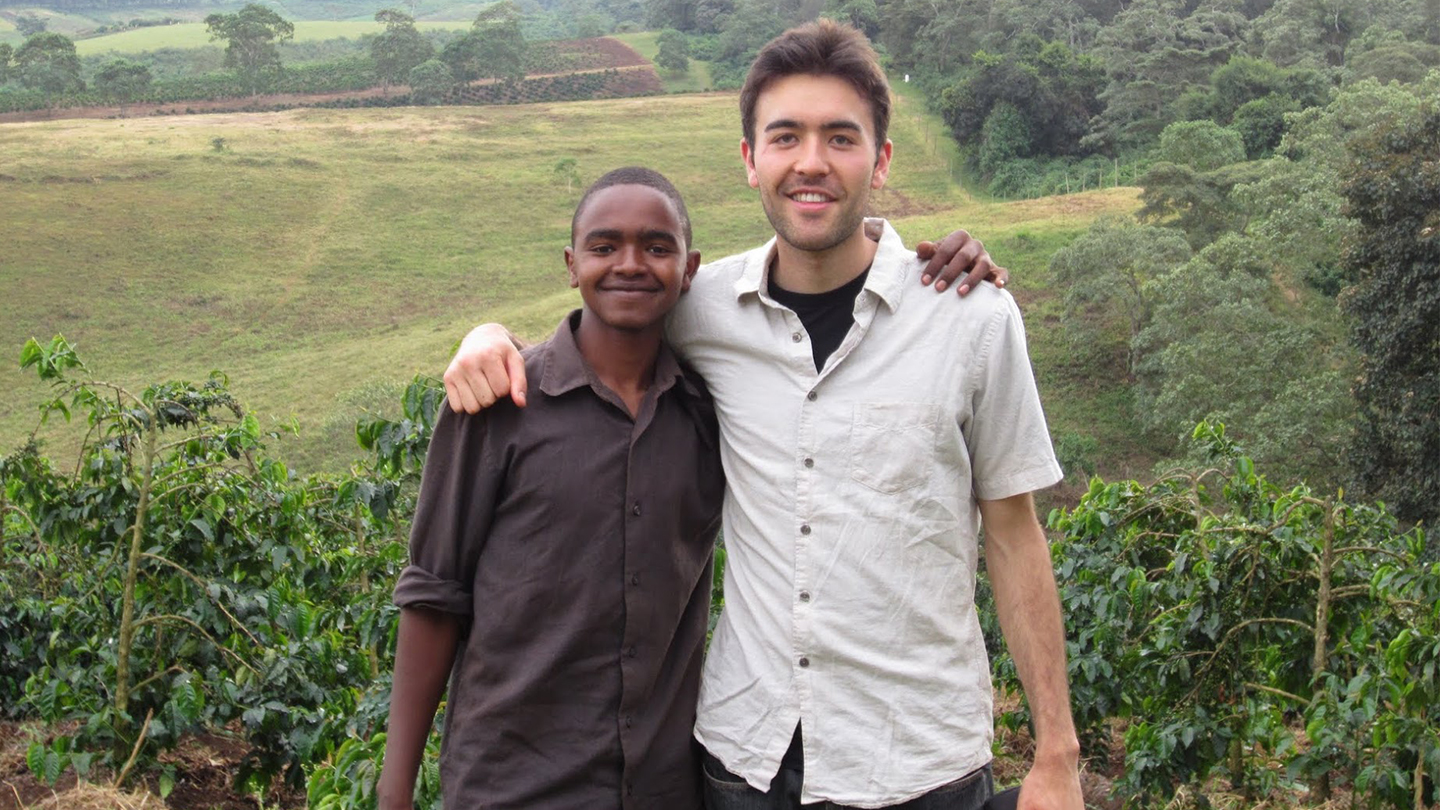
But it was in the classrooms that Severson found his way to the specific area that he would ultimately build his career around: climate change.
“I started taking classes in environmental studies, and as I traveled the world, I was interested in how climate change is an issue that impacts everyone,” Severson says. “I wanted to play a role in helping tackle this important issue.”
Building a new way to invest in climate change innovation
Severson has since built a career based around sustainability. He walked through the Van Wickle Gates and went straight to Google’s campus, joining their business development team for early-stage projects and eventually ending up at Google X, the “moonshot factory”, where he worked on early-stage clean energy and energy storage projects. Then, after getting his MBA at Harvard, he managed Tesla’s mineral supply chain, traveling around the world to vet suppliers and negotiate large deals that incorporated responsible battery material sourcing.
In 2025, Severson took a major career leap—he left the corporate world to become founder and managing partner of a new sustainable finance firm, Englewood Capital, building on the portfolio he had developed for his family office over the previous five years.
His firm invests in funds and companies that are helping transition the global economy to a more sustainable future. What makes Englewood Capital unique is the fact that it balances climate venture capital with infrastructure.
“I started our family’s investing journey with a handful of climate venture funds that invest in new, innovative technologies—such as geothermal energy, battery recycling, sustainable aviation fuel,” explains Severson. “But because they're early-stage companies, they’re higher risk and take a long time to return capital to investors. I wanted to balance those venture investments with climate infrastructure funds that focus on deploying proven, low-risk technologies that return capital early by paying a dividend in year two or three.”
This blended strategy is unique in the sustainable finance world, and it's proving to be attractive for investors. Englewood Capital offers not only a diversified portfolio, but an accessible one too—bringing in many smaller investors who might not otherwise be able to invest in climate solutions.
“It's meant to open up and democratize access to a really exciting portfolio of climate and sustainability investments,” says Severson.
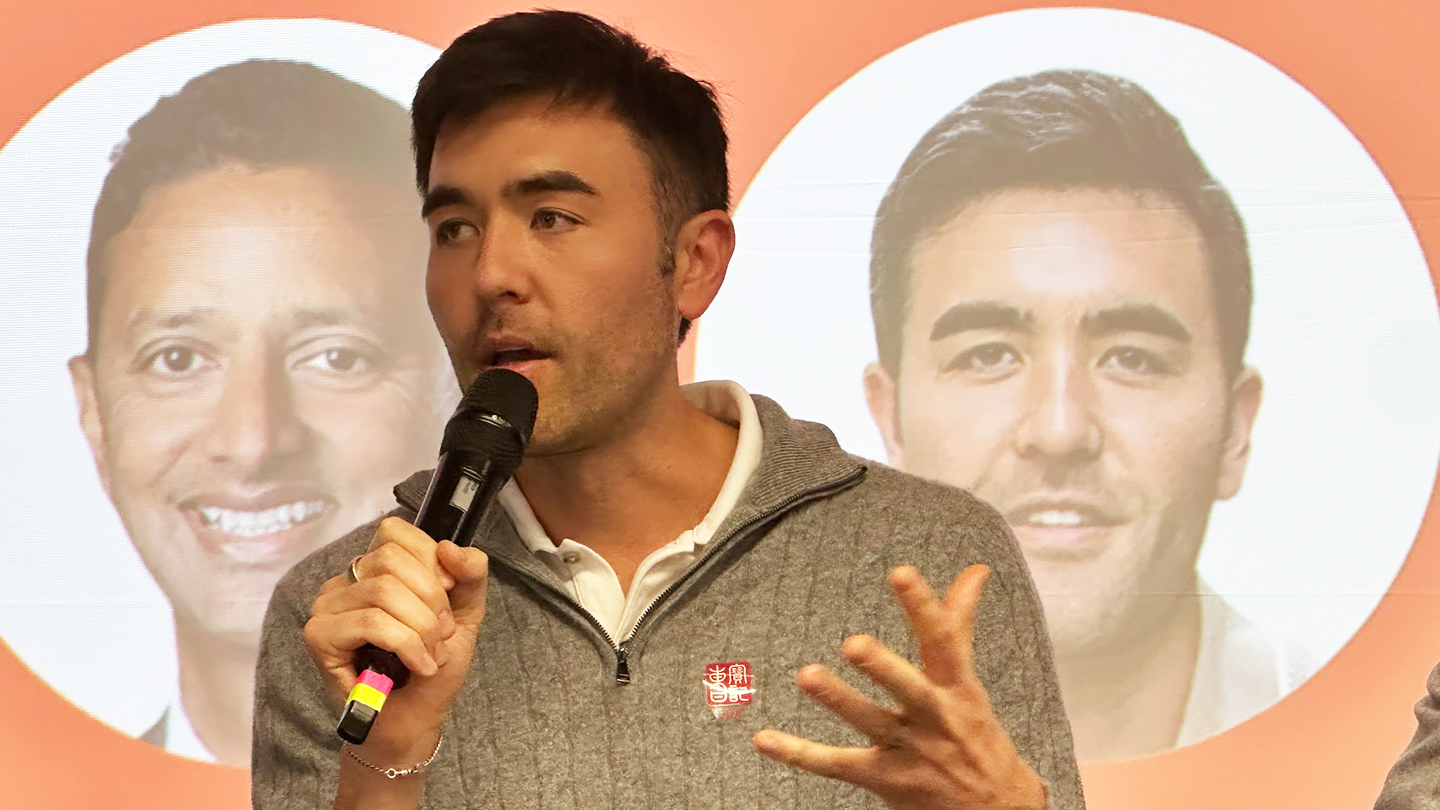
Building a business—especially one that aims to do things differently—requires a certain level of nerve, imagination, and versatility. Severson believes he was uniquely prepared for this kind of leadership because of his educational experience at Brown.
“I think Brown's Open Curriculum and interdisciplinary opportunities allow us to move into different areas and work with a broad range of disciplines and types of people,” says Severson. “I’ve worked in tech, now in finance, all with a climate lens. And I’ve been able to work closely with engineers, lawyers, and finance people throughout my career in business development and supply chain.”